
We’ve been to dozen of museums: art, history, science, small, big, bizarre, mainstream. The Museum and Crypt of the Capuchin Friars is the most interesting museum we’ve been to. It’s located beneath Santa Maria della Concezione dei Cappuccini church.

Your ticket includes an audio guide and it was very informative and done well. You begin in the museum, where you learn about the life of a Capuchin Friar. The history and lives of Capuchin saints St. Felix of Cantalice, St. Crispin of Viterbo,and St. Lawrence of Brindisi are used to show the impact that the Capuchins had on the church, and the poor.
Mixed in with the history are some beautiful pieces of art, including St Francis in Meditation, created for the friars by Caravaggio.

After the museum you enter the crypts. It is a sacred place, so your knees and shoulders must be covered. The Husband had on shorts that went to his knees and he was allowed in.
There are six crypts that hold the combined mortal remains of 3,700 deceased, primarily Capuchin friars, who died between 1528 and 1870. The Catholic church claims the crypt is not meant to be macabre, but to be a reminder of the swift passage of life on Earth and our own mortality.
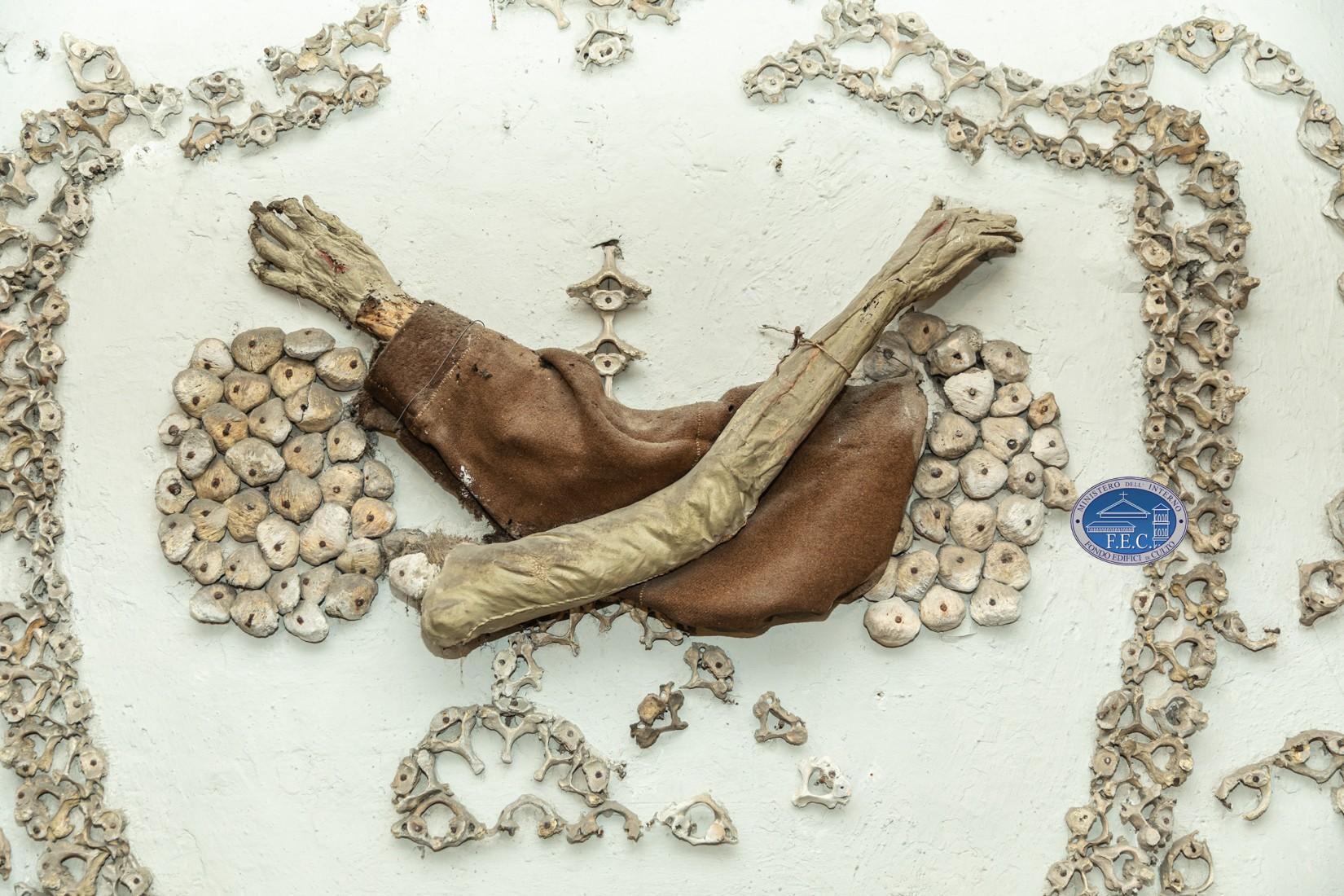
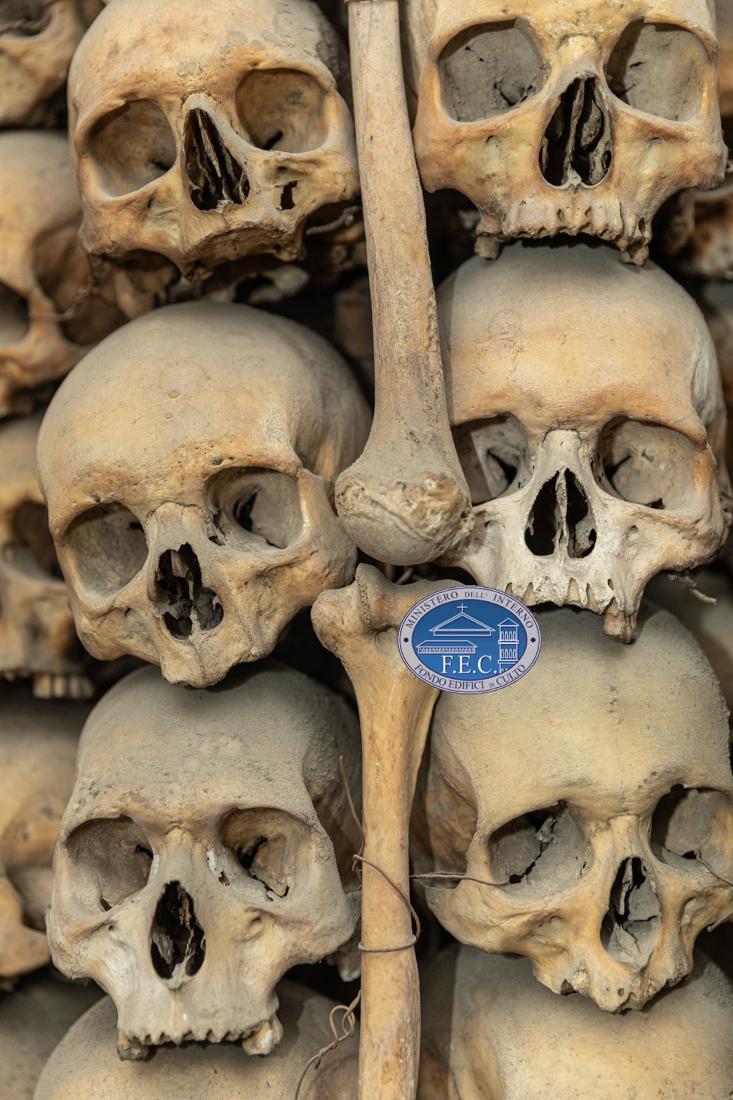
Each crypt has a different theme, seemingly based on the bones they used in that room. It’s incredible to see. Bones line the walls, the ceilings, and are even used to create the lighting fixtures. There are pieces of bones, as well full mummified bodies. Even if I could take pictures it wouldn’t do the crypts justice.
The Crypt of the Capuchins is an absolute must do in Rome. I doubt there is anything quite like it anywhere in the world.